

Many parents first hear the word “myopia” at their child’s eye exam, usually around the same time a teacher mentions squinting at the board. Glasses have helped kids see clearly for generations. Now some lenses can do a bit more.
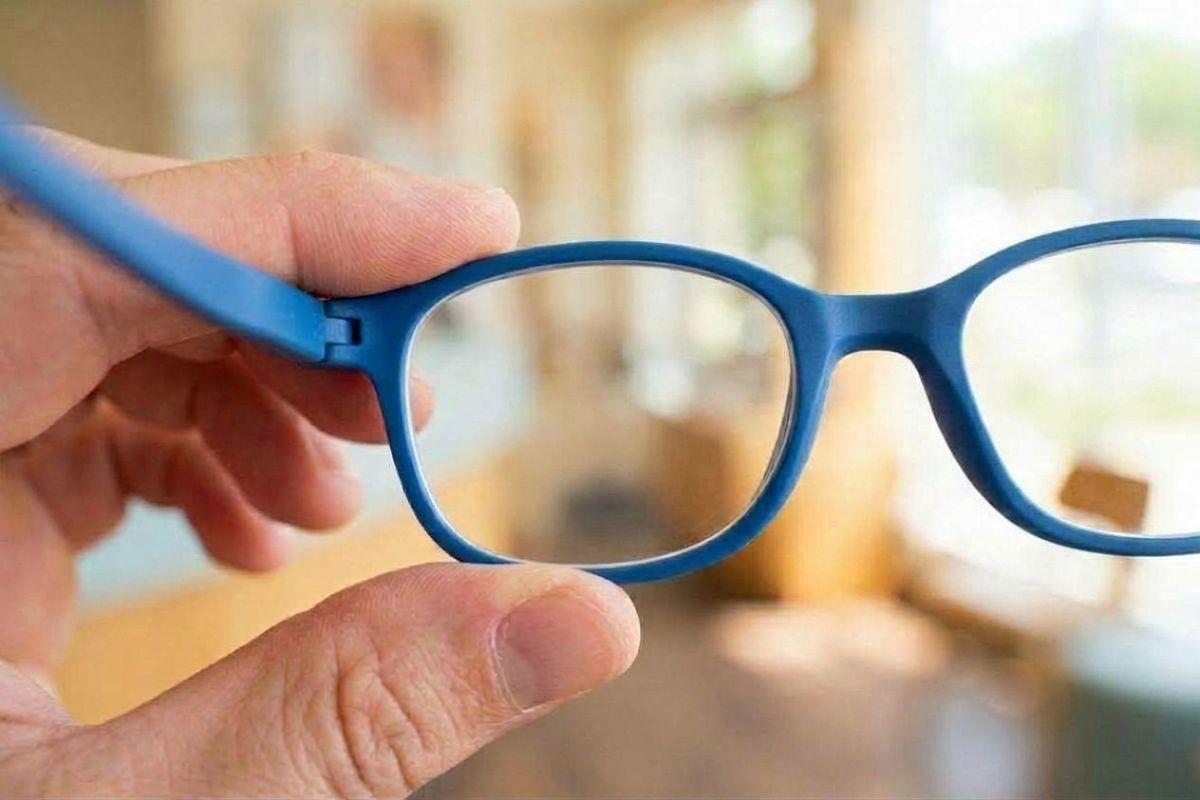
Myopia control glasses correct your child’s distance vision through a clear center, while rings of tiny raised dots around that center can help slow how fast nearsightedness gets stronger. Your optometrist can review these lenses alongside other ways to slow myopia and help you choose the best fit for your family.
What Myopia Means for Your Child’s Eyes
Myopia is the medical name for nearsightedness. Kids with myopia can see close objects clearly, but faraway things like the classroom board look fuzzy.
Most kids won’t mention blurry vision because they assume everyone sees the world the way they do. So it’s up to us grown-ups to notice. Watch for a few of these signs:
- Squinting at the board or at street signs
- Holding books and tablets close to their face
- Sitting right in front of the TV
- Losing interest in sports or games played at a distance
Why Nearsightedness Gets Worse as Kids Grow
Myopia often gets stronger while your child’s eyes are still growing. As the eye grows longer, light focuses in front of the retina instead of on it, which is why some families leave every checkup with a new prescription. For most people, it levels off in early adulthood.
Higher prescriptions can matter later in life. High myopia can raise the risk of eye problems like retinal detachment and glaucoma, so slowing it during childhood may help keep your child’s adult prescription lower.
How Myopia Control Glasses Work
Each lens has a clear center that sharpens distance vision, like regular glasses. Rings of tiny raised dots called lenslets surround that center. These lenslets change how light reaches the outer edges of the retina, which may help slow how fast the eye grows.
That means your child can read the board at school and chase a ball at recess through 1 pair of glasses. From across the room, nobody can tell them apart from any other pair. Your child can pick a frame they love, whether that’s bright purple or classic tortoiseshell.
Most kids adjust quickly, too. In clinical testing, every child fully adapted to the lenses within a week of wearing them.
What Research Says About Myopia Control Lenses
In September 2025, the U.S. Food and Drug Administration (FDA) authorized the first eyeglass lenses designed to slow nearsightedness in kids. Before then, the only FDA-authorized device for slowing myopia was a contact lens for kids ages 8 to 12. Now younger kids and kids who aren’t ready for contact lenses have another option.
The decision came after a 2-year study comparing these lenses with regular single-vision lenses. Kids wearing myopia control lenses had 71% less change in their prescription. Their eyes also grew 53% less in length over those 24 months.
Some kids in the study noticed blurriness or halos around lights. Your optometrist can talk with you about what your child might notice and what to do if it bothers them.
What Age Is Right for Myopia Control Glasses?
These lenses are authorized for kids who start treatment between ages 6 and 12. They can also correct astigmatism, which happens when the eye’s curve is uneven and makes vision blurry at all distances.
Starting early can help a lot. Nearsightedness may progress faster in younger kids, and starting early covers more of the years when your child’s prescription is likely to change.
Other Myopia Control Options for Kids
Your optometrist may suggest a different approach depending on your child’s age and daily routine. Options can include:
- Specialty soft contact lenses your child wears during the day
- Ortho-K, which uses rigid lenses your child wears overnight to gently reshape the front of the eye
- Low-dose atropine eye drops your child uses once a day
Daily Habits That Support Myopia Control
Your child’s routine at home can support their new lenses. Try building these habits into the week:
- Have your child wear the glasses full time so the lenslets can do their job.
- Plan for 2 or more hours outdoors each day with bike rides, park visits, or backyard games.
- Set regular breaks from screens and close reading.
- Encourage your child to hold books and devices at a comfortable distance.
- Keep a spare pair handy for sleepovers and sports days.
Cost and Follow-Up Care for Myopia Control Glasses
These lenses may cost several hundred dollars or more, and coverage depends on your insurance plan. We’re happy to look over your benefits with you and answer questions before you decide.
Yearly checkups help track how your child’s eyes change over time. At each visit, your optometrist measures your child’s prescription, checks how the lenses are working, and adjusts the plan as they grow.
Find Out If Myopia Control Glasses Fit Your Child
From spelling tests to Saturday soccer, your child counts on their eyes all day long. Myopia control glasses can give them clear vision now while helping slow how quickly their prescription changes.
Book your child’s eye exam with The Vision Place, and we’ll check whether these lenses are right for your child. Bring your questions about costs and coverage, too. We’ll make sure you feel comfortable with every step of the plan!