


Key Takeaways
- 20/20 vision means you can clearly see at 20 feet what a person with average eyesight sees at that distance.
- A score like 20/15 means sharper distance vision, while 20/40 means blurrier distance vision.
- Legal blindness means 20/200 or worse in your better eye, even with glasses.
- A full eye exam checks much more than letters on a chart.
You’ve probably heard someone mention 20/20 vision, or maybe you’ve spotted the score on a form after an eye exam. It sounds like a top grade. At The Vision Place, patients ask about it often, and the 2 numbers behind it say something specific about how you see.
20/20 vision means you can clearly see from 20 feet away what a person with average eyesight can see from 20 feet away. It’s a measure of your distance vision, which your optometrist checks during a comprehensive eye exam.
What Is 20/20 Vision?
The score goes back to the 1800s, when Dr. Herman Snellen created the eye chart. It’s likely the chart you remember from school, with rows of black letters shrinking toward the bottom.
The first number is your distance from the chart, which is 20 feet. The second number shows where a person with average eyes would stand to see the same detail you can see.
So, 20/20 simply means your eyes match the average at that distance.
How the Eye Chart Works
Each line on the chart is smaller than the line above it. On a standard chart, the big E at the very top equals 20/200. Each line below it gets smaller. You’ll cover 1 eye at a time, and the smallest line you can read becomes the score for the eye you’re testing.
Don’t worry if the exam room isn’t 20 feet long. Many offices use mirrors to create the same testing distance. Because the charts follow a standard size, any eye doctor can compare your results from one visit to the next, even years apart.
What Do Other Vision Scores Mean?
If 20/20 isn’t the only option, what does that mean for the other results?
Scores Above 20/20
A score of 20/15 means you can see at 20 feet what an average eye sees at 15 feet. In everyday terms, you can read the street sign a few steps before your friend can.
A score of 20/10 sits close to the limit of human vision, so you can read a license plate from twice the distance of an average eye.
Scores Below 20/20
When the second number climbs higher, your distance vision is blurrier than average. Here’s how a few common scores compare to 20/20:
- 20/25: Your distance vision is just a little blurrier than average.
- 20/40: You need to stand at 20 feet to read a line that an average eye can read from 40 feet.
The good news is glasses or contacts may bring your vision to 20/20. That fuzzy menu board at your favorite taco spot can look crisp again!
What Is Legal Blindness?
Legal blindness means your vision is 20/200 or worse in your better eye, even while wearing glasses or contacts. That’s very different from simply needing glasses to see clearly. Plenty of people see the big E as a fuzzy blob without their glasses, then read the chart with ease once they put them on.
If you can’t see the big E even with glasses, you may have low vision. Talk with your optometrist about magnifiers and other tools that may help with tasks like reading your mail or cooking dinner.
Why 20/20 Vision Is Only Part of Your Eye Health
An eye chart shows your optometrist how sharp your distance vision is. Your eyes handle a lot more than that, though. A full exam can look at areas like these:
- Side vision, so you notice a bike rolling up beside you
- Depth perception, which helps you judge how far to reach for your coffee mug
- Eye teamwork, or how well both eyes aim and move together
- Focusing ability, which lets your eyes adjust between your phone and the TV across the room
The chart can’t look inside your eyes, either. You can have 20/20 vision and still have eye conditions that your optometrist can only find by examining your eye health.
Why You May Need Readers with 20/20 Vision
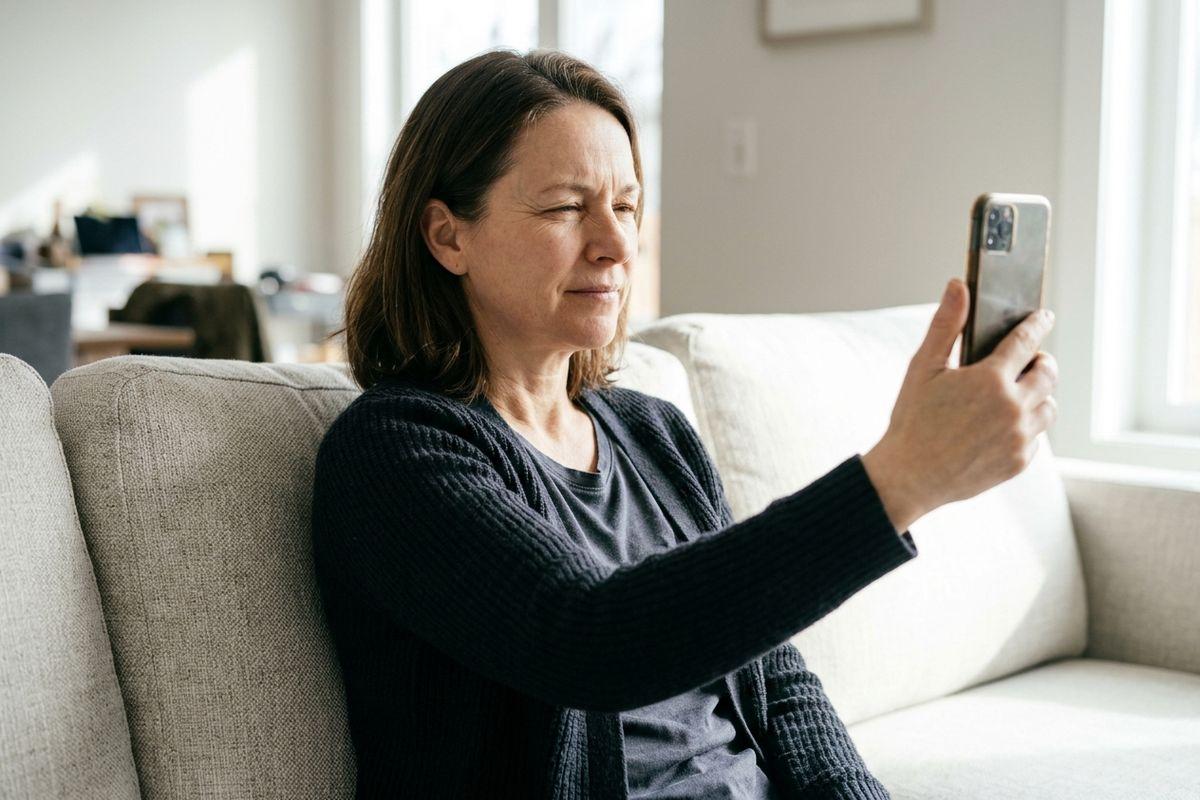
The eye chart checks your distance vision, so a 20/20 score doesn’t tell you how well you see up close. Maybe you’ve caught yourself holding your phone at arm’s length to read a text.
That change is called presbyopia, a natural part of aging where up-close focus gets harder, often starting in your 40s. Reading glasses or other lens options can help bring small print back into focus.
Book an Eye Exam That Looks Beyond Your 20/20 Score
Your eye chart score is a useful starting point, and a full exam gives your optometrist a much clearer view of your eye health. Regular exams can help everyone from kids learning to read to adults who work at a computer all day.
Book a visit with an optometrist if you notice changes like these:
- Road signs look blurrier than they used to.
- Small print feels harder to read.
- Colors seem duller or harder to tell apart.
- Your eyes feel tired after time on a screen.
Our team at The Vision Place can walk you through your results and answer questions about your exam and insurance coverage. Book an appointment and find out what your numbers mean for you.