

Key Takeaways
- High-index lenses use less material to correct your vision, so your glasses can look thinner and feel lighter.
- A higher index number means a thinner lens for your prescription.
- People with moderate to strong prescriptions, including kids and teens, often notice a clear difference.
- High-index lenses cost more and pair well with an anti-reflective coating.
- Your eye doctor can help you weigh your prescription, frame, and lifestyle.
Heavy glasses that slide down your nose all day are a common complaint for people with stronger prescriptions. So are thick lens edges that peek out past a frame you picked for its style. At The Vision Place, we hear people ask about thinner options all the time, and you have more than 1 lens material to choose from.
If you have a moderate to strong prescription, high-index lenses can make your glasses look slimmer and feel lighter. The right lens depends on your prescription and the frames you love, so start with a comprehensive eye exam and give your optometrist the details they need.
What Are High-Index Lenses?
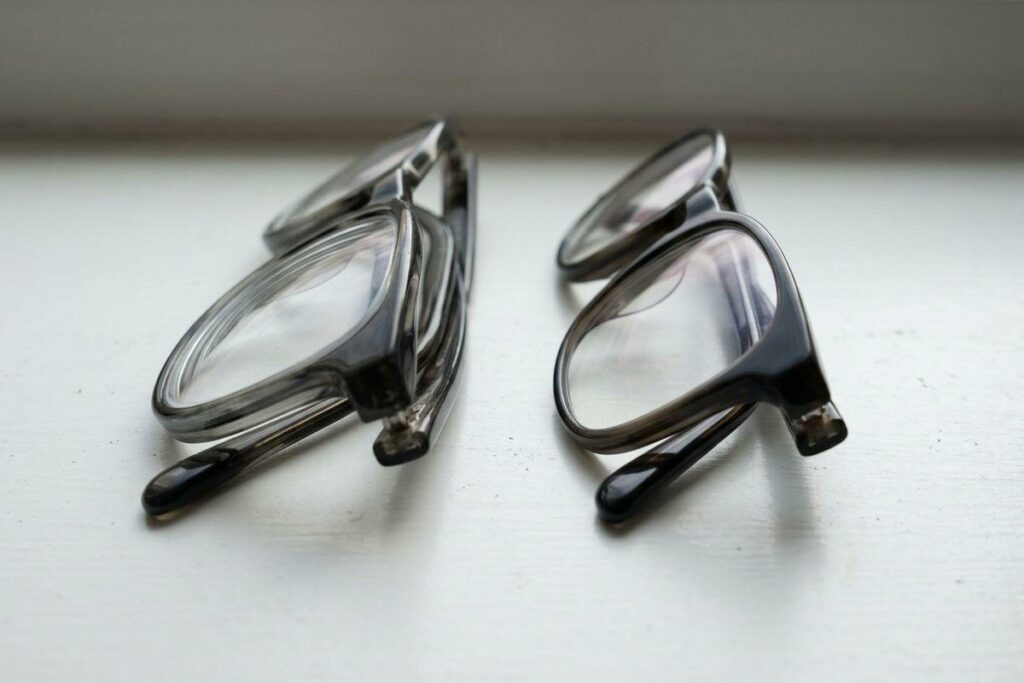
Every lens material has an index number that describes how well it bends light. Standard plastic lenses sit at about 1.50, and materials with a higher index can correct the same prescription with less material. That can help your glasses lose the thick “coke-bottle” look.
Common Index Options
You’ll usually choose from 3 common high-index levels, and the higher the number, the slimmer the lens:
- 1.61: Often a good fit for mild to moderate prescriptions.
- 1.67: Can work well for moderate to strong prescriptions.
- 1.74: Usually suits very strong prescriptions.
Benefits of High-Index Lenses
High-index lenses can change how your glasses look and feel from morning to night. Plus, they can give you more room to play with your style.
Slimmer Look and Lighter Feel
High-index lenses can be up to half as thick as standard lenses. Thinner lenses weigh less, so your nose and ears may feel less pressure by the end of a long workday. A lighter pair may also stay in place instead of sliding down every time you look at your phone.
Strong prescriptions can make your eyes look magnified or shrunken behind your lenses. A slimmer high-index lens can reduce that effect, so friends see your eyes closer to their natural size.
More Frame Choices
Slim lenses can open up more frame options, too. Rimless and semi-rimless styles can work well with high-index material because less of the lens edge sticks out past the frame. Less lens peeking out means more of the frame you picked.
You may notice less “fishbowl” distortion near the edges of your lenses, since many high-index lenses use a flatter design.
Clearer Edges and Extra Features
Need more than 1 pair? You can get high-index material in progressive lenses and prescription sunglasses, so your sunny-day look can stay just as sleek.
Who Can Benefit from High-Index Lenses?
High-index lenses can make a noticeable difference if any of these sound like you:
- Your prescription is moderate to strong.
- You notice little red marks on your nose when you take your glasses off.
- You’ve had your eye on a rimless frame.
If you put your glasses on at breakfast and take them off at bedtime, a lighter pair can help every hour in between feel more comfortable.

What to Consider with High-Index Lenses
High-index lenses cost more than standard lenses. Without an anti-reflective coating, they can also show more glare from headlights, screens, and overhead lights.
Some people notice small color fringes, like a faint rainbow, when they look through the edges of high-index lenses.
High-Index vs. Polycarbonate Lenses
Polycarbonate lenses offer impact resistance, which makes them a popular pick for sports. High-index lenses focus on thinness and light weight.
Think about where your glasses spend their day. A teen who plays soccer may need polycarbonate’s extra durability for stray balls and elbows. If your toughest opponent is a spreadsheet, high-index lenses may feel lighter and more comfortable.
How to Choose High-Index Lenses for Your Glasses
Three main factors shape how thick your lenses turn out:
- Your prescription strength
- Your lens size and frame shape
- The lens index you choose
Your optometrist can consider all 3 together so your new glasses fit your face and your prescription.
Coatings and Add-Ons to Ask About
Once you’ve picked a lens index, ask your optometrist about add-ons that can round out your new pair:
- A scratch-resistant coating for the days your glasses end up in a purse or backpack
- UV protection for patio days and sunny drives
- Tints that darken when you step outside
Book an Eye Exam and Lighten Up Your Next Pair
Thinner lenses start with an up-to-date prescription. Your optometrist can talk through how you use your glasses and help you pick a lens index that suits your frames. Bring your current pair along so you can compare how they feel against something lighter.
The team at The Vision Place can also answer questions about your insurance coverage before you choose. Book your next eye exam and give your nose and ears a well-earned break.