

Key Takeaways
- Children don’t always know their vision is blurry, so it can be helpful to pay attention to actions like frequent squinting or rubbing eyes.
- Parents may be able to notice sudden changes in focus or daily reading habits.
- A comprehensive eye exam can help track eye health early.
You might have noticed your child rubbing their eyes after a long day at school or sitting very close to the TV screen, and wondered if they may be having trouble seeing far away. This is a common concern, and our team at The Vision Place is here to help parents in our community understand what signs to look for and when to seek a children’s eye exam.
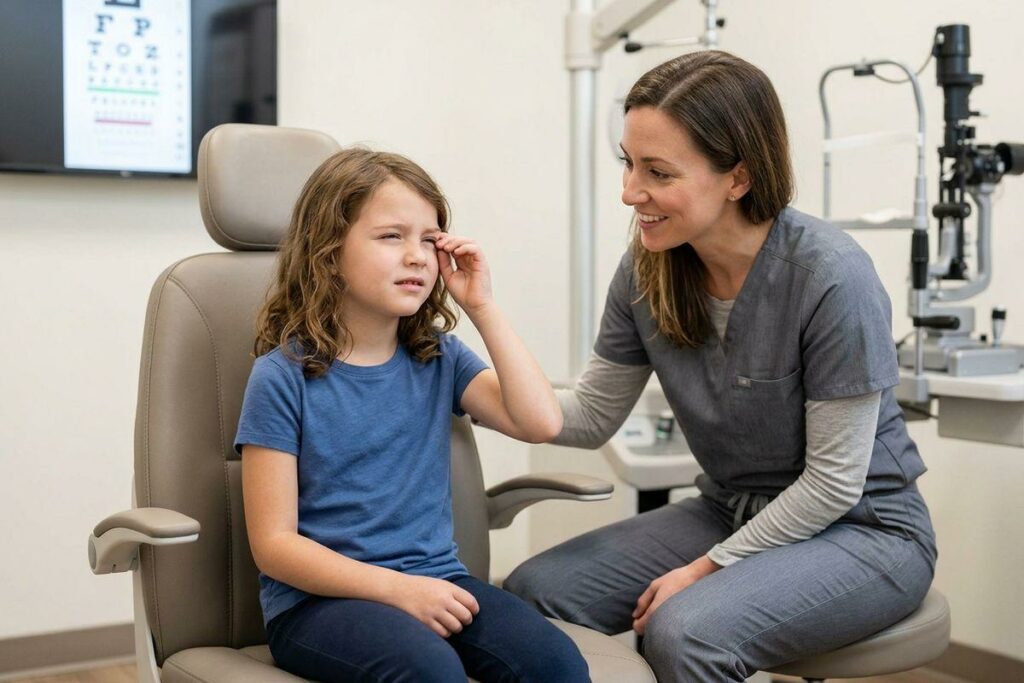
Kids don’t always realize that their vision is blurry, especially if the change has happened gradually. If you notice certain physical behaviors like frequent squinting, changes in how they read books, and sudden difficulty paying attention in class, it may be a good idea to book a children’s eye exam.
Common Signs Your Child May Need Glasses
Kids don’t always know that their vision is blurry because they think everyone sees the world the way they do. Because of that, they find clever ways to adapt when objects look fuzzy. You know your child best, so it’s a good idea to keep an eye out for some specific patterns.
Physical Behaviors and Habits
If your child has blurry vision, they may show a few key signs. If you notice any of these, it’s a good idea to book them in for an eye exam:
- They squint to see distant objects clearly.
- They often tilt their head or cover 1 eye.
- They excessively rub their eyes, which can be a sign of visual fatigue.
- They begin to move closer to the television or hold tablets very close to their face.
How Vision Affects School Performance
In today’s classroom, much learning relies on clear vision for reading and writing. A student who struggles to see the whiteboard might have more trouble understanding the material, which could potentially cause a loss of interest in school. After all, if you couldn’t see the board, you may not enjoy learning, either.
Challenges with Books
Reading requires the eyes to maintain focus and work together at a close distance. If a child has an uncorrected vision problem, this can make reading more difficult or uncomfortable, which can be very frustrating. Here are a few signs that they may need extra help with reading:
- They use a finger to follow sentences on pages.
- They lose their place often while looking at books.
- They avoid reading altogether, or don’t want to read aloud during group activities.
Focus and Attention at School
Visual discomfort can make concentration difficult for anyone. A child experiencing visual discomfort may have trouble concentrating on visually demanding tasks, especially if they don’t realize their vision is contributing to the difficulty. This could look like a short attention span for close-up activities or avoiding tasks that require visual focus altogether.
Typical Vision Changes as Kids Grow
Early School Years
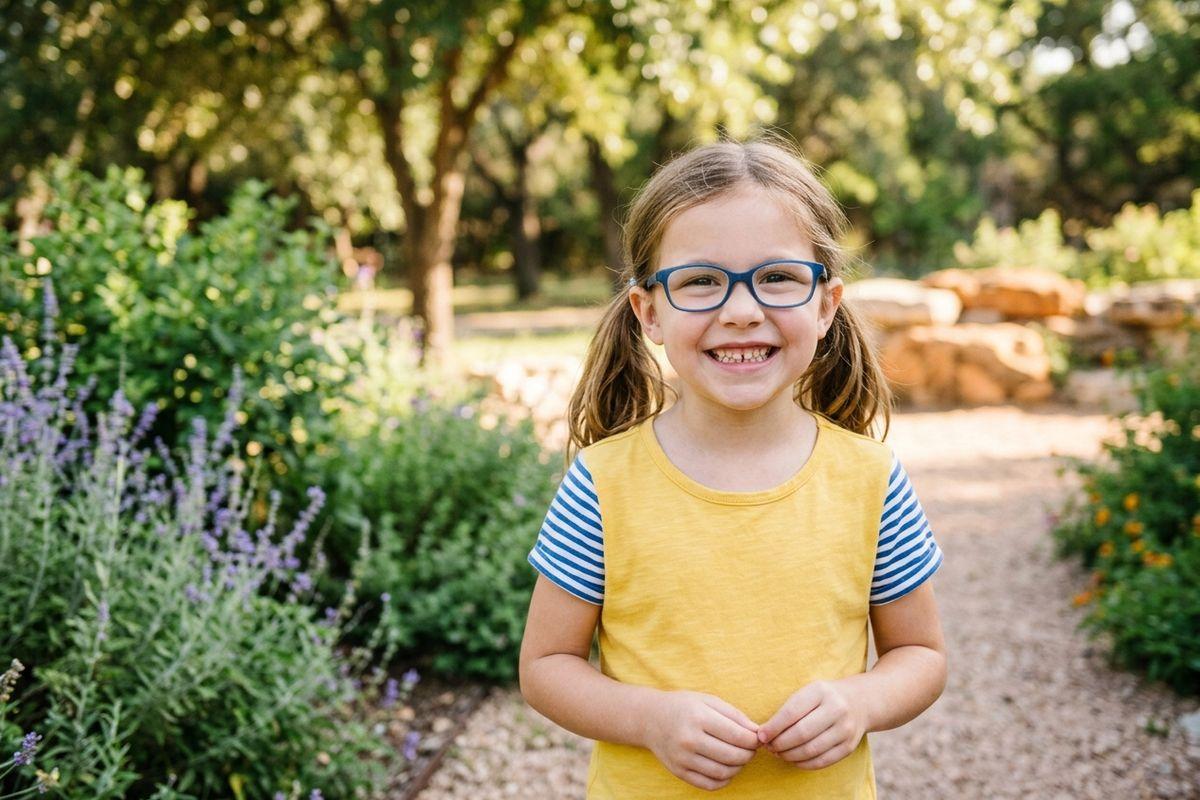
Myopia, commonly known as nearsightedness, is often detected in the early school years, though it can vary. This is why many optometrists recommend that children have an eye exam before school, to catch any visual problems that may impact their learning early on.
Visual Health for Teenagers
Adolescence brings a whole new set of visual demands. Heavy homework loads and more time spent on devices can put extra strain on growing eyes. Teenagers may need a different prescription as their bodies change rapidly, making annual eye exams an important part of their visual development.
Long-Term Vision Management
Proper vision support gives kids a foundation for daily success. We provide frames and lenses that fit comfortably into sports and playground activities. If you have an active kid, children’s frames designed to be impact-resistant may be worth considering. We provide polycarbonate lenses and flexible frames to withstand the daily stress recess can put on eyewear.
When to Visit an Eye Doctor in San Antonio
Trust your observations when you notice unusual habits at home. If you notice any of the behaviors we’ve discussed, we’d love to help your family. Our local optometrist can evaluate your child’s vision and offer guidance.
Preparation for the Eye Exam
A little planning can help make your visit smooth and comfortable. You can write down specific behaviors you see during playtime or homework, which our eye care team can use to understand what may be happening day to day. Reassure your child that nothing will hurt them in their eye exam. However, there will be bright lights.
What the Eye Doctor Looks For
The eye doctor looks at much more than just your child’s ability to read letters on a chart. They assess the physical health of the eye and how well the eyes work together. This is important to get an overall picture of their eye health.
Schedule Your Child’s Eye Exam
Taking care of your child’s visual needs supports their education and development. Clear, comfortable vision lets kids explore the world with confidence and curiosity. If you’re wondering if your child needs glasses, it’s a good idea to book an appointment. We look forward to seeing you.