

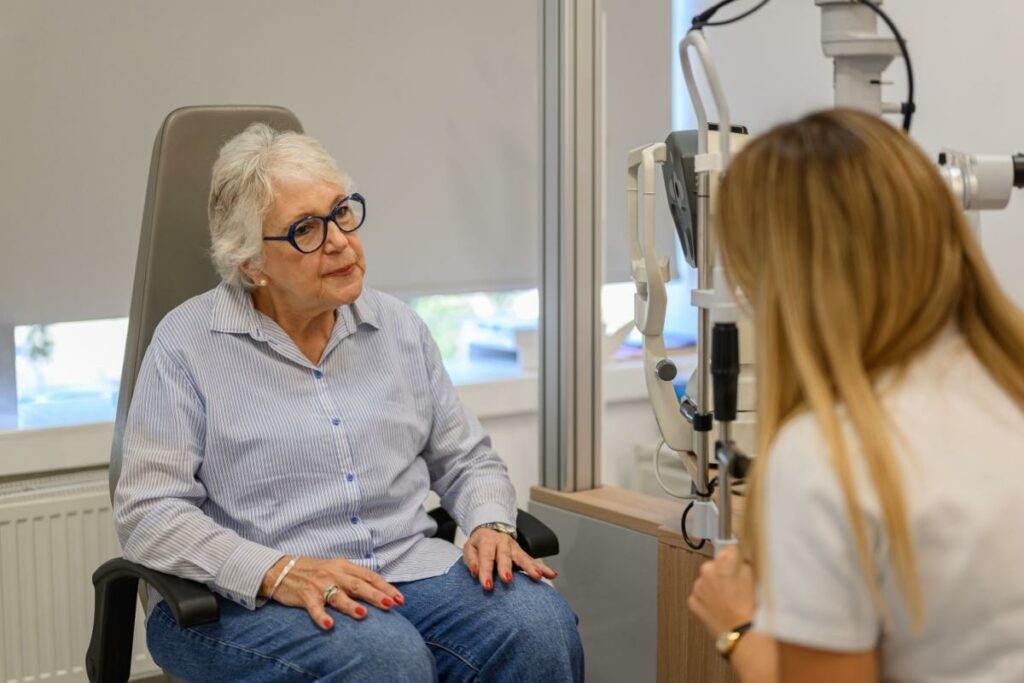
You might notice the text on your phone looks a bit fuzzy lately. Perhaps the evening drive home feels more tiring because streetlights seem extra bright. Your vision goes through natural shifts as time passes, and our team at The Vision Place can help you navigate these changes.
Yearly eye exams help you catch silent vision changes early so you can keep doing the things you love without blurry interruptions. Regular visits give your eye doctor a chance to track your eye health over time. This helps protect your sight for the long road ahead.
Vision Shifts After Age 60
Reading the Room: Contrast and Color
You might find yourself pouring dark coffee into a black mug and spilling a bit because the edges seem to blend together. This happens because the eyes naturally handle colors and contrast differently over time. Subtle shifts in depth perception make it harder to see where one object ends and another begins, especially when things fade into backgrounds of a similar shade.
In daily life, these changes show up in subtle ways:
- Reading menus in dim restaurants suddenly takes a lot more effort.
- Steps and curbs become tricky to spot on overcast, cloudy days.
Moving Between Light and Shadow
Your eyes also require a little extra time to process changes in lighting. If you step into a dark movie theater, you might find yourself pausing at the door, waiting for your vision to catch up. Because the muscles that control your pupils react a bit more slowly now, transitioning between bright and dark spaces isn’t quite as seamless as it used to be.
This lag in focus time impacts a few common scenarios:
- Walking indoors on a bright, sunny day leaves you momentarily in the dark while your eyes adjust.
- Night driving becomes more challenging when oncoming headlights make it tough to track the road lines after sunset.
- Bright glare reflecting off car windows or wet pavement can feel increasingly harsh, though a solid pair of polarized lenses can go a long way in cutting down that sharp reflection.
Silent Eye Conditions to Watch For
Cataracts
Think of the natural lens inside your eye as a clear window. Over time, that window can gradually get frosty, changing exactly how light enters the eye. This cloudiness creates a fuzzy haze over your view, either in one eye or both, making everyday sights appear slightly out of focus. Because the lens acts as a filter as it thickens, colors lose their vibrance; a bright red apple might start to look a bit faded, dull, or tinged with brown.
Macular Degeneration
This condition alters your central vision, the view straight ahead, while leaving your side peripheral sight clear. It impacts the cells responsible for sharp, detailed focus, making it a challenge to read a book or recognize the facial details of a loved one.
If you look at a wall clock, you might see the outer circle clearly, but notice that the hands in the dead center have vanished into a blurry spot. Because age-related macular degeneration progresses through distinct stages, catching it early makes a significant difference.
Glaucoma and Diabetic Retinopathy
These two conditions are famously quiet, sneaking up over the years without early discomfort or obvious warning signs. You might not notice a single change to your sight until the condition has progressed significantly.
The underlying changes happen entirely beneath the surface:
- Glaucoma stealthily damages the optic nerve in the back of your eye, slowly pinching away your field of vision from the outside in.
- Diabetic retinopathy occurs when elevated blood sugar alters and damages the tiny, delicate blood vessels winding through your retina.
Because both conditions develop without any initial symptoms, an eye doctor can spot the warning signs long before you ever feel a difference.
Signs and Symptoms to Note
When to Visit the Doctor
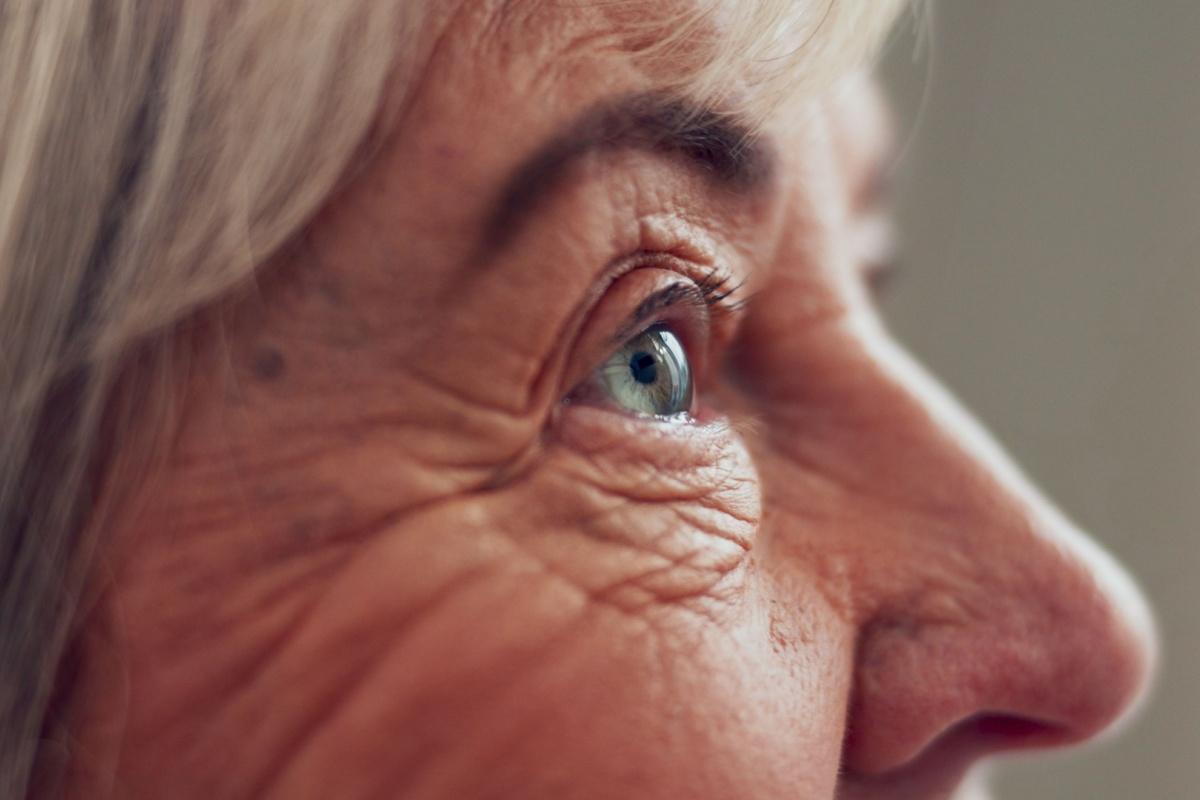
Your eyes have a way of dropping subtle hints when they need professional attention. Paying close attention to how your daily view shifts can help you catch changes early, signaling exactly when it is time to schedule a visit.
Keep an eye out for these specific red flags:
- Sudden spots: If you notice new blurry or dark areas, commonly known as floaters, suddenly drifting across your field of view, it warrants a prompt check-in.
- Dim environments: If navigating your home at night or moving through dark rooms suddenly takes much longer than usual, your eyes are struggling to adapt.
- Washed-out colors: When the vibrant blue sky begins to look dull, flat, or a bit gray, the color filtration in your eyes is likely shifting.
Other Health Factors
Your entire body connects directly to your vision, meaning your daily health habits and existing conditions play a massive role in how you see. Keeping your body healthy is one of the most effective ways to protect your sight over the long term.
A few critical systemic factors include:
- Blood pressure: High numbers can alter the delicate blood flow to your eyes, directly impacting how clearly you see your surroundings.
- Blood sugar: Consistent blood sugar spikes damage retinal tissue, significantly increasing the chance of future vision shifts.
- Daily medications: Certain prescriptions can dry out your eyes or leave them feeling tired and strained. Recognizing the gritty, uncomfortable sensation of dry eye allows you to seek targeted relief instead of just pushing through the discomfort.
Why Annual Visits Matter
Detect Changes Early
A lot can change in your eyes over twelve short months, often happening so gradually that you don’t notice the shift. During a routine check, an optometrist can spot tiny structural details and early warning signs long before you ever experience blurriness or discomfort.
Taking quick action based on these early findings is the most effective way to keep small, manageable issues from turning into permanent problems, keeping your vision sharp for all your daily tasks.
Beyond Just Vision
A comprehensive eye exam does far more than determine a prescription. It offers a unique window into your whole-body wellness. Because the retina is the only place in the body where a doctor can directly view live blood vessels and nerve tissue without surgery, a close look at your eyes tells a much bigger story about your health.
During your visit, we can often detect systemic health conditions long before symptoms appear anywhere else in the body:
- High blood pressure: The tiny vessels in the back of the eye show characteristic narrowing or strain when blood pressure is consistently elevated.
- Diabetes: Subtle clues, like microaneurysms or minor leakage in the retinal blood vessels, frequently serve as the very first warning sign of diabetes.
Ultimately, your overall body health connects directly to your eye health, making an annual exam a vital piece of your total wellness routine.
Technology and Your Eye Health
Modern Exam Tools
Modern technology takes the guesswork out of your appointment, making your visit quick, comfortable, and incredibly thorough. Instead of relying on manual estimates, modern diagnostics allow the clinical team to map out your exact visual needs and give you clear, immediate feedback.
These imaging tools provide an exceptionally detailed look beneath the surface:
- Detailed scans: High-resolution digital retinal imaging captures quick, safe, and completely painless pictures of the tissue right behind your eyes.
- Precision tracking: These digital records map your eyes down to the micron, making it fast and easy to spot tiny, subtle changes from one year to the next.
Precise Prescriptions
To see clearly and comfortably, your lenses require exact measurements tailored to how you actually live. Whether you are reading a book, working on a computer, or driving at night, every tiny detail matters to prevent eye strain and fatigue.
Modern diagnostic technology allows your eye doctor to thoroughly check every aspect of your vision, tailoring a precise prescription that lets you fully enjoy your favorite daily activities and hobbies.
Come See Us
Seeing clearly helps you enjoy every little moment in life. Our friendly team at The Vision Place is ready to answer all your questions. Schedule your next visit today to keep your eyes healthy and bright.