

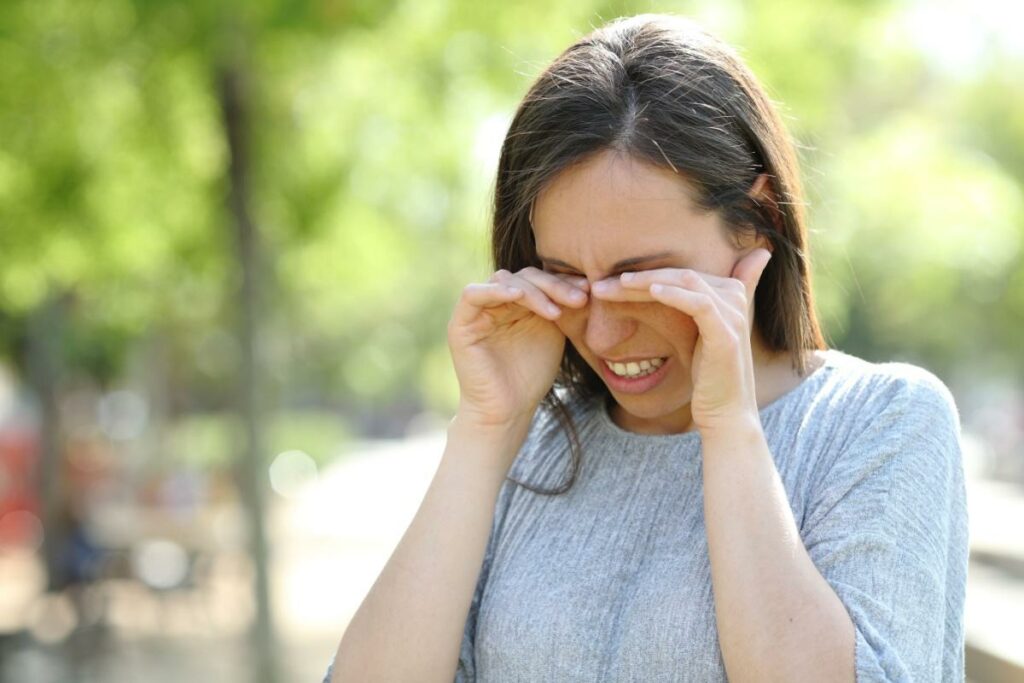
You rub your eyes again, trying to stop the annoying watering and redness. In the mirror, you notice puffy eyelids staring back at you. Is it allergies, or could it be dry eye?
When your eyes feel scratchy or irritated, it’s easy to confuse these two common conditions. Understanding the difference between allergies and dry eye can help you find the right relief and get back to your day.
The main difference comes down to how your eyes feel. Allergies usually cause intense itchiness, while dry eye often feels like sand scratching your eyes. That said, many patients experience a combination of both, as inflammation from allergies can disrupt the tear film and contribute to dryness.
Common Traits of Eye Allergies
Sources and Reactions
Your eyes react strongly when they encounter regular outdoor particles like pollen or pet dander. Your immune system fights these harmless specks as if they pose a real threat to your health. This protective reaction releases specific chemicals into your body, which can affect your clear vision and the comfort of your eyes. This inflammatory response can also destabilize your tear film, leading to symptoms commonly associated with dry eye. These chemicals create noticeable swelling around your eyes and face, increasing the feeling of dry eyes.
Familiar Symptoms
You can usually spot an allergy problem through a few specific body reactions. These signs of allergic eye reactions often appear quickly after you step outside or pet an animal.
- Intense itchiness and redness in your eyes
- Watery tears spilling over puffy eyelids
- A runny nose that accompanies your eye irritation
Typical Signs of Dry Eye
Why It Happens
Your eyes sometimes need help producing enough tears to wash away dust. Your tear film also needs a specific oil balance to stop moisture from evaporating too quickly. You might notice this issue more often after staring at your phone or computer screen for hours, as extended screen time reduces the frequency of blinking. Inflammation, whether from environmental factors, underlying conditions, or allergies, can also play a major role in disrupting this balance.
Physical Sensations
This common eye condition creates distinct feelings that bother you throughout the day. You might find it hard to keep your eyes open in bright light.
- A gritty or scratchy feeling that bothers you constantly
- Stinging or burning sensations instead of itching
- Blurry vision that briefly improves right after you blink
Clear Differences to Notice
Allergies almost always make you want to scratch your eyes to stop the intense itching. Dryness feels entirely different and creates a sensation like actual dirt stuck under your eyelids. Rubbing your eyes gently might offer some quick relief, but frequent dryness can cause blurry vision if ignored. You usually just make the itching worse by rubbing your eyes when you’re experiencing an allergic reaction.
Even with these differences, it’s important to recognize that both conditions can stem from inflammation on the ocular surface, making proper diagnosis essential for effective treatment.
Seasons and Other Body Signs
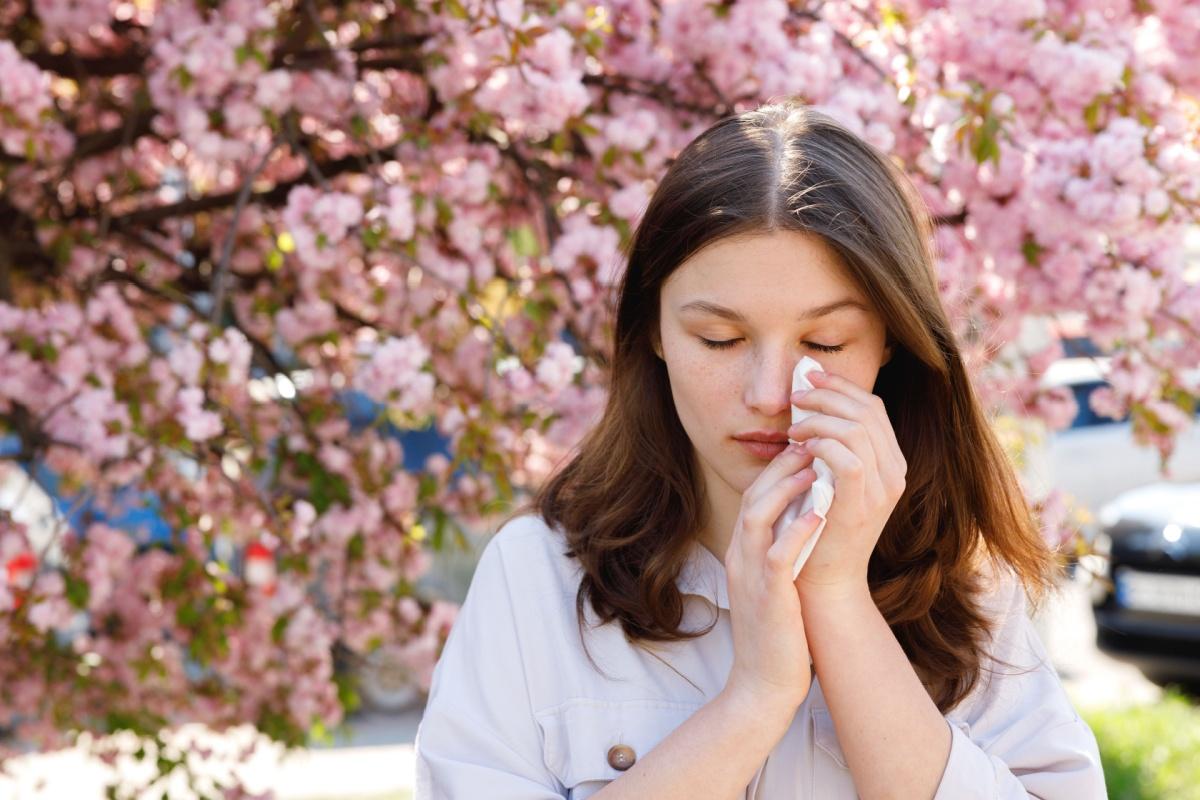
Your environment plays a major role in how your eyes feel. Allergies tend to flare up during specific seasons when trees bloom or the wind blows dust around. Dryness usually remains a year-round issue, regardless of the weather outside. Aging also increases your risk of tear production problems. You also sneeze frequently with allergies, while a dry eye condition only affects your vision.
Because environmental allergies can contribute to ongoing inflammation, controlling these triggers is often one of the first and most important steps in managing overall ocular surface disease.
When Both Occur Together
You can experience both of these conditions at the same time. A low tear volume means your eyes cannot wash away pollen or pet hair quickly enough. The particles stay on your eye surface and create a constant cycle of irritation.
Medication Side Effects
You might reach for a pill to stop your nose from running. However, allergy pills can actually reduce tear production because they dry out your nasal passages. Antihistamines can reduce your eye moisture so much that your vision may become blurry.
Over-the-counter drops only offer limited relief, so prescription eye drops can help restore the specific moisture your eyes lack.
Relief Options
Professional Evaluation
Our team provides a full evaluation of your eye health to understand your specific needs. Modern technology helps find the root cause of your daily vision concerns. Your eye doctor can create a personalized plan to match your lifestyle and daily routine. This thorough approach helps you stop guessing about your eye health.
Gentle Treatment Solutions
We offer modern dry eye treatments to help your eyes feel normal again. Your eye doctor can recommend prescription drops for your specific hydration needs or suggest a warm compress for relief at home. Light therapy can help clear out your oil glands so your natural tears last longer. Your eye doctor can also insert small plugs to keep your tears from draining away too fast.
Dry eye treatment typically follows a staged approach, starting with environmental changes and lubrication, then progressing to anti-inflammatory therapies, in-office procedures, and, when needed, systemic treatments. Managing underlying allergies is often an important early step in this process.
Enjoy Clear, Comfortable Vision
Your vision deserves careful attention when irritation gets in the way of your favorite activities. Our team at The Vision Place can help you identify exactly what bothers your eyes so you can find real comfort. Reach out to our team today to book an eye exam and take the next step toward clear, comfortable vision.